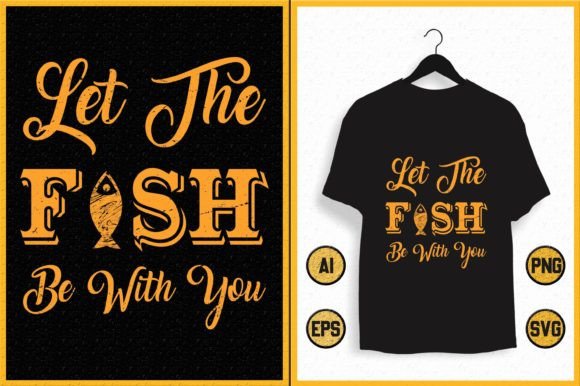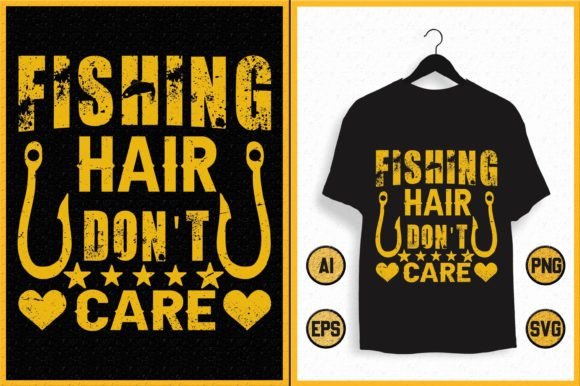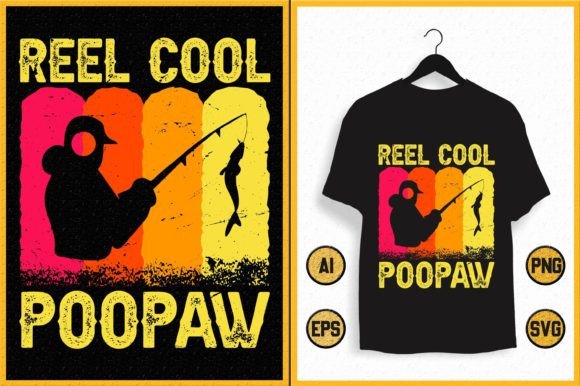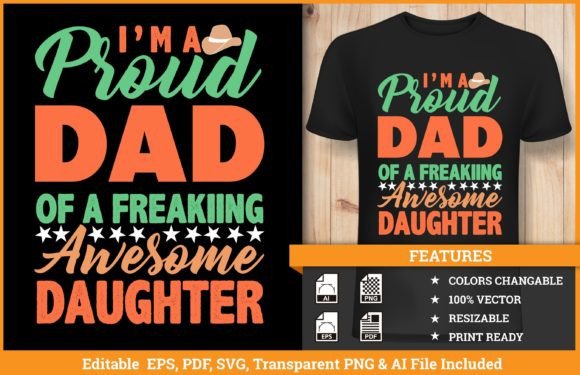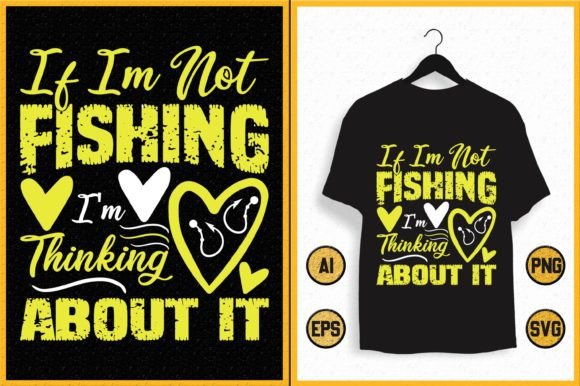
Fishing T-shirt Design 20: A Designer's Review
As a designer who has spent years turning digital graphics into tangible, stitched realities, I approach every new file with a mix of excitement and skepticism. The market is flooded with T-Shirt Designs, but few translate well from the screen to the needle. Today, I am evaluating Fishing T-shirt Design 20, a piece centered around the timeless sentiment: "If I'm not fishing, I'm thinking about it." This isn't just another generic graphic; it is a specific mood piece that demands careful consideration before you commit thread and fabric.
The First Impression: Mood and Visual Personality
When I first opened the preview for Fishing T-shirt Design 20, the immediate vibe was one of relaxed nostalgia. It doesn't scream for attention with neon colors or aggressive shapes. Instead, it feels like a quiet afternoon on the dock. For an embroidery project, this subtlety is a double-edged sword. The design relies heavily on its layout and the interplay between the text and any accompanying imagery. In the world of Graphics, a clean layout often translates to a successful stitch, but only if the details are robust enough to survive the digitization process.
The phrase itself is a classic hook for anglers. It suggests a lifestyle rather than just a hobby. Visually, the design needs to balance the length of the sentence with the visual weight of any icons used. If the text is too thin, it will disappear in a fill stitch. If the icons are too complex, they may become muddy on textured fabrics. My initial assessment is that this design thrives when treated as a statement piece rather than a tiny accent.
Real-World Application: From Screen to Stitch
Let's move beyond the screen and imagine a real scenario. Picture a custom embroidered tote bag for a local craft fair. You have a sturdy canvas bag, perhaps in a natural beige or a deep navy blue. You load your machine, hoop the stabilizer, and run Fishing T-shirt Design 20. How does it hold up?
In this context, the design shines. On a tote bag, the larger surface area allows the text to breathe. The fill stitch can cover the canvas texture without sinking in, creating a raised, tactile effect that customers love to touch. Now, consider a different use case: a personalized gift for a father-in-law's birthday. A sweatshirt embroidery project using this design would add a layer of warmth and humor. The soft fleece of a sweatshirt requires a slightly different approach than a cotton tee, but the bold nature of the message ensures it remains legible even after several washes.
For the Etsy seller or small shop owner, this design fits perfectly into a niche collection of outdoor-themed apparel. It works exceptionally well as a custom apparel item where the customer wants something specific. Unlike mass-produced prints, an embroidered patch version of this design could be sewn onto denim jackets or backpacks, adding a rugged, handmade feel that elevates the perceived value of the product.
Where Caution Is Required
Despite its potential, Fishing T-shirt Design 20 is not a universal solution. There are specific scenarios where this design might struggle. First, avoid using it on highly stretchy fabrics like performance athletic wear unless you are extremely confident in your stabilizer choice. The tension required for long lines of text can cause puckering on spandex blends. Second, be wary of very small hoop sizes. If you attempt to shrink this design to fit a baby hat or a tiny pocket, the lettering will likely lose its clarity. Tiny lettering in machine embroidery design is notorious for becoming illegible blobs of thread.
Furthermore, dark fabrics require careful planning. If the background of the shirt is black, you need a high-quality underlay and potentially a lighter thread color to ensure the "thinking about it" part of the message pops. Without proper contrast, the design can look flat and unprofessional. Also, consider curved surfaces like caps. While the text is linear, wrapping it around the curve of a baseball cap can distort the spacing between words, making it harder to read. Always test the curvature digitally before committing to the physical stitch.
Impact on Product Value and Customer Trust
Using a well-executed design like Fishing T-shirt Design 20 directly influences how customers perceive your brand. In the handmade market, quality is everything. A clean, crisp stitch pattern signals professionalism. When a buyer receives a finished product with clear lettering and no loose threads, their trust in your craftsmanship increases. This design, when executed correctly, offers a high degree of giftability. It speaks directly to the recipient's passion, making it a thoughtful present rather than a generic purchase.
For those selling digital product previews or printable mockups, this design serves as a strong asset. It helps visualize the final result for clients who might be hesitant to buy a custom service. Showing a realistic rendering of the design on a sweatshirt or apron can close sales faster than a flat image ever could. However, remember that the mockup must accurately represent the limitations of the stitch density to avoid setting unrealistic expectations.
Practical Notes for the Embroidery Designer
If you decide to integrate Fishing T-shirt Design 20 into your workflow, here are my top recommendations based on professional experience:
- Test on Scrap Fabric First: Never skip the test run. Stitch the design on a scrap piece of the exact fabric you plan to use. Check for puckering, especially in the longer text areas.
- Check Thread Color Contrast: Ensure the thread stands out against the fabric. If the design uses multiple colors, verify that the transitions are smooth and do not create unsightly gaps.
- Review Stitch Density: Look closely at the digitized file. Areas that are too dense can make the fabric stiff, while areas that are too sparse will show the fabric underneath. Adjust the fill stitch settings if necessary.
- Confirm Hoop Size: Measure the design dimensions against your available hoops. Do not force a large design into a small hoop; it will result in poor registration and uneven tension.
- Inspect Small Details: Zoom in on the corners of letters and any fine lines. These are the first places to unravel or blur during stitching.
- Use Proper Stabilizer: For heavy fabrics like sweatshirts or thick canvas, a cut-away stabilizer is essential to support the weight of the thread. For lighter tees, a tear-away might suffice.
- Verify Licensing: Before selling finished items or the digital embroidery file itself, confirm the licensing terms. Ensure you have the right to use Fishing T-shirt Design 20 for commercial purposes if you are running a craft business.
Final Verdict
Fishing T-shirt Design 20 is a solid addition to a designer's library, provided it is used with intention. It captures a specific emotion that resonates with a dedicated audience. Whether you are creating a holiday embroidery gift, stocking a boutique with small shop products, or fulfilling a custom order for a fishing club, this design has the potential to look fantastic. Just remember that the magic happens in the execution. With the right fabric, stabilizer, and attention to detail, this embroidery file can transform a simple t-shirt into a cherished keepsake. As always, take the time to prepare, test, and refine. Your reputation depends on the quality of every single stitch.