Bonus Dad Design: A Designer’s Real-World Review
As an embroidery designer who has spent years digitizing files and testing them on everything from stiff denim to flimsy jersey, I have learned that a graphic’s potential on screen does not always translate to the needle. When I first encountered Bonus Dad the Man Myth the Bad Influence, my initial reaction was one of cautious curiosity. The phrase itself carries a specific, humorous weight that resonates with modern family dynamics, particularly for Father’s Day or birthday gifts. However, my job is not just to appreciate the joke, but to determine if this asset can survive the mechanical rigor of an embroidery machine while maintaining its visual punch.
First Impressions and Visual Personality
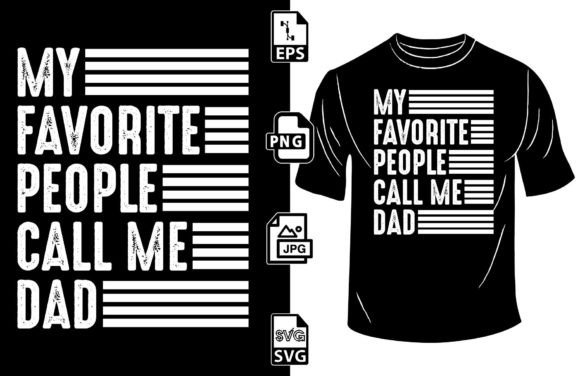
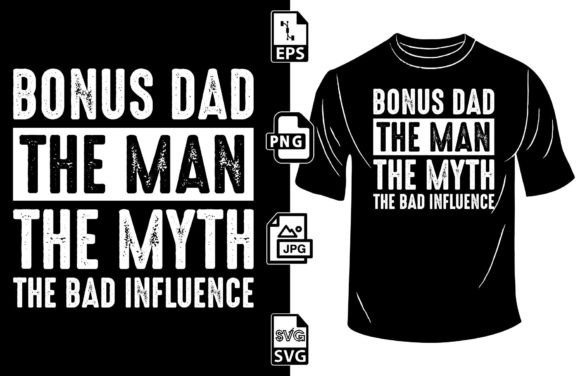
The design arrives as part of a suite of Print Templates and Graphics, which suggests it was originally conceived for direct-to-garment printing or sublimation. This is a critical distinction for us embroiderers. The high-resolution PNG files included are excellent for creating printable mockups to show clients before we commit to stitching. Seeing the layout in black and white or on various fabric backgrounds helps me visualize the final finished product. The typography appears bold and impactful, which is generally a good sign for embroidery, as thin lines often get lost or break under thread tension.
The mood is playful yet assertive. It fits perfectly into the niche of custom apparel aimed at stepfathers, uncles, or father figures who embrace a less traditional role. This isn’t your standard "Best Dad" sentiment; it has edge. For an Etsy seller or craft business owner, this differentiation is valuable. It allows you to target a specific demographic looking for humor rather than pure sentimentality.
Real-World Application: The Sweatshirt Test
To truly evaluate Bonus Dad the Man Myth the Bad Influence, I imagined applying it to a mid-weight cotton blend sweatshirt. This is a popular item for holiday embroidery and personalized gifts. The challenge here is balancing the size of the text with the curvature of the chest area. If the design is too wide, it will distort when worn. If it is too small, the intricate details of the font might merge into a blob of thread.
In this scenario, the design works best as a central chest piece or a large back print. For a front placement, I would recommend scaling it to fit within a 4x4 or 5x7 hoop size, depending on the garment size. The bold nature of the text suggests it would hold up well using a combination of satin stitch for smaller elements and fill stitch for larger letters. However, because the source files include SVG and EPS formats, I have the flexibility to trace and simplify the shapes if the original vector paths are too complex for efficient stitching.
Navigating Fabric and Stitch Challenges
One must be realistic about where this design should not be used without modification. Attempting to stitch this onto a textured fabric like terry cloth towels or a fuzzy fleece blanket requires careful consideration of stitch density. If the design relies on fine serifs or tight spacing, the pile of the fabric will swallow the details. In such cases, I would advise adding a backing layer or switching to an applique design approach, where the text is cut from felt or twill and stitched down, rather than filled entirely with thread.
Similarly, stretchy fabrics like baby onesies pose a risk. Without proper stabilizer—specifically a cut-away stabilizer for long-term durability—the design may pucker or shift after washing. For baby embroidery, I always test on scrap fabric first to ensure the thread tension does not gather the material. The thread colors chosen also play a massive role. High contrast is key. A dark thread on a dark shirt will render the witty message invisible. I recommend testing the design in digital mockups with high-contrast combinations before selecting physical threads.
Commercial Viability and Brand Consistency
For those running a small shop product line, consistency is vital. Bonus Dad the Man Myth the Bad Influence offers a strong visual identity that can be paired with other designs in a collection. It appeals to buyers looking for personalized gift options that feel curated and unique. When listing this on platforms as a digital embroidery file or a finished item, clarity about the file types is essential. Since the package includes JPG, SVG, and EPS, it serves dual purposes: ready-to-print graphics for marketing materials and scalable vectors for digitizers who wish to create their own stitch files.
However, a word of caution regarding licensing. While the product description mentions high regulation and multiple file formats, it does not explicitly state commercial embroidery rights. As a professional, I always verify license terms before selling commercial embroidery items. If you are digitizing this yourself from the provided SVG, ensure you have the right to sell the resulting stitch file or the finished goods. Transparency builds customer trust and protects your brand reputation.
Practical Designer Notes for Execution
- Test on Scraps: Always run a trial stitch on the same fabric type and weight you intend to use for the final product. This reveals issues with stitch density and registration.
- Check Contrast: Use the included high-resolution PNG to create black-and-white mockups. If the design loses definition in grayscale, it may lack clarity when stitched with similar thread tones.
- Hoop Selection: Choose a hoop size that minimizes re-hooping. For a design of this textual nature, a single hooping is preferable to maintain alignment.
- Stabilizer Choice: Match the stabilizer to the fabric. Tear-away for stable woven cottons, cut-away for knits and stretchy materials like sweatshirts or caps.
- Detail Inspection: Zoom in on the SVG file. Look for tiny anchor points or overly complex curves that might cause your machine to jog or pause excessively, slowing down production.
In conclusion, Bonus Dad the Man Myth the Bad Influence is a compelling asset for designers who understand the limitations and strengths of embroidery. It is not a plug-and-play solution for every fabric or machine, but with thoughtful digitizing and material selection, it can become a standout piece in a craft fair display or an online store. It bridges the gap between humorous design assets and tangible, high-quality handmade product offerings. By respecting the technical requirements of the medium, you can transform this graphic into a durable, cherished item that customers are proud to wear and gift.