Teaching Things: A Real-World Embroidery Review
As a designer who has spent years navigating the gap between digital mockups and physical stitched products, I approach every new asset with a critical eye. When I first encountered Teaching Things, Funny Teacher Design, my immediate reaction wasn't just about the humor; it was about the structural integrity of the graphic for needlework. In the world of machine embroidery design, a funny concept means nothing if the lines are too thin to stitch or the density causes puckering on a soft sweatshirt. This review breaks down how this specific piece of Graphics holds up under the pressure of real-world production.
The First Impression: Visual Weight and Personality
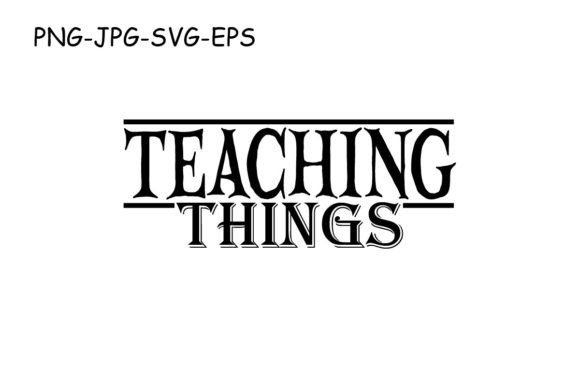
At first glance, Teaching Things, Funny Teacher Design lands as a classic example of playful Illustrations. The layout is balanced, avoiding the clutter that often plagues text-heavy teacher gifts. For an Etsy seller or a small shop owner looking to create a boutique product, the visual personality is immediately clear: it is approachable, slightly cheeky, and perfectly suited for the back-to-school rush or end-of-year appreciation gifts.
However, moving from screen to hoop requires a different lens. The shapes appear bold enough to translate well into a fill stitch, which is crucial for maintaining visibility on textured fabrics like canvas tote bags or heavy cotton tees. The line work seems robust, suggesting it won't dissolve into a muddy mess when converted from a high-resolution digital embroidery file into actual thread. This is a key factor in determining whether a design belongs in a professional portfolio or gets discarded after a failed test run.
Real-Life Application: From Sweatshirts to Patches
To truly evaluate this asset, I imagined a specific scenario: creating a custom embroidered patch for a local school fundraiser. In this context, Teaching Things, Funny Teacher Design shines. The clarity of the elements suggests it would look sharp even when cut out as an embroidered patch and ironed onto denim jackets or backpacks. The contrast potential is high, allowing for vibrant thread colors that pop against dark backgrounds, a common requirement for school merchandise.
I also considered its use on custom apparel, specifically a premium fleece sweatshirt. Teachers love cozy gear, and this design fits the aesthetic perfectly. Because the design includes distinct areas of negative space, it should allow the fabric texture to breathe, preventing the "plastic" look that happens when stitch density is too high. If you are planning a batch of sweatshirt embroidery for a craft fair, this design offers the right balance of detail and simplicity to ensure a quick turnaround without sacrificing quality.
Furthermore, the versatility extends to smaller items like caps or aprons. While caps present unique challenges due to their curved surface, the relatively straightforward geometry of Teaching Things, Funny Teacher Design suggests it could be adapted for a hoop size of 4x4 inches with minimal distortion. For kitchen towels or aprons, the design serves as a delightful focal point, transforming a utilitarian item into a personalized gift that recipients will actually want to display.
Navigating Challenges: Where Caution Is Needed
Despite its strengths, no design is universally perfect without adjustment. As a reviewer, I must highlight where Teaching Things, Funny Teacher Design might require extra attention. If you plan to use this on very thin or stretchy fabric, such as jersey knit t-shirts, the density of the fill areas could cause puckering. In these cases, using a strong stabilizer and potentially reducing the stitch count is essential to maintain the garment's drape.
Another area of concern is the fine details within the text or smaller graphical elements. On a small hoop size, tiny lettering can sometimes become illegible if the machine tension isn't dialed in perfectly. Before committing to a full production run of personalized gifts, I strongly advise testing the design on scrap fabric. Check if the running stitch outlines hold their shape or if they tend to bleed into adjacent colors. This step is non-negotiable for anyone selling finished products professionally.
Additionally, while the design comes in SVG, PNG, JPG, and EPS formats, remember that these are primarily print files. To get them into your machine, you will need to convert them or ensure you have the correct embroidery file format compatible with your specific brand of machine. Do not assume a high-resolution image translates automatically to a clean stitch path without vector conversion or digitization software.
Strategic Advice for Craft Business Owners
For the craft business owner, the value of Teaching Things, Funny Teacher Design lies in its ability to drive engagement. A well-executed handmade product featuring this design signals quality and thoughtfulness. Customers buying teacher gifts are often looking for something that feels personal yet professional. This design hits that sweet spot, enhancing the perceived value of your finished product.
When preparing your listings, consider creating printable mockup variations to show customers exactly how the design looks on different garments. Show it on a navy blue hoodie, a white tote bag, and a pastel baby onesie to demonstrate versatility. However, always ensure your mockups accurately reflect the limitations of the design. If certain colors are difficult to match with standard thread palettes, note that in your description to manage customer expectations.
Finally, before listing any commercial embroidery items for sale, verify the licensing terms. Even though the package includes four high-resolution files, the rights to sell physical goods made from these assets may vary. Always confirm that you have the commercial license to produce and sell items like baby embroidery projects, holiday cards, or branded shop merchandise. Protecting your business is just as important as selecting the right design.
Final Verdict on Practical Use
In conclusion, Teaching Things, Funny Teacher Design is a solid addition to any designer's library, provided it is handled with technical care. It excels in medium-to-large scale applications like tote bags, patches, and sweatshirts, where its bold lines and humorous theme can fully shine. It is less ideal for extremely delicate fabrics or microscopic detailing without modification.
By treating this asset as a serious component of your production workflow—testing stabilizers, checking stitch density, and respecting licensing—you can turn a simple graphic into a best-selling small shop product. Whether you are a hobbyist making gifts for friends or an entrepreneur building a brand around educator appreciation, this design offers a reliable foundation for creative expression. Just remember: the magic happens not in the download, but in the stitching.