Equipment Maintenance Log Book - KDP Review
As a designer who has spent years navigating the intersection of digital assets and physical stitching, I approach every new machine embroidery design with a specific set of questions. Does it translate from screen to fabric? Will it hold up under the scrutiny of a customer holding a finished product in their hands? When I first opened the Equipment Maintenance Log Book - KDP, my initial reaction was one of professional curiosity. This is not your typical floral motif or whimsical character; it belongs to a very specific niche within the Kdp Interiors category, yet its potential for adaptation into custom apparel and functional accessories is surprisingly high.
The First Impression: Utility Meets Design
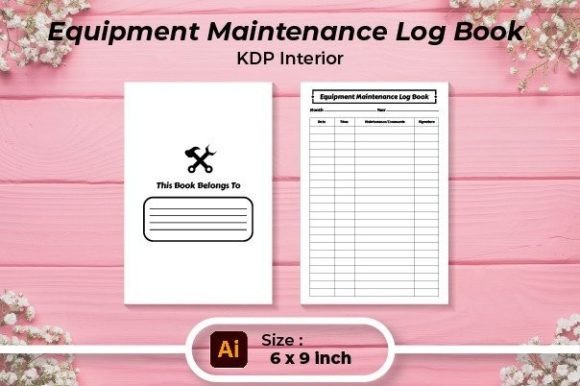
At first glance, the Equipment Maintenance Log Book - KDP presents a structured, organized aesthetic. The layout suggests precision, which is exactly what you want when dealing with themes related to maintenance and logging. In the world of Graphics, clarity is king. This design does not rely on excessive flair; instead, it leans into a clean, professional look that communicates reliability. For an Etsy seller or a small shop owner looking to create branded merchandise for industrial clients, this visual personality is a goldmine. It feels like a design asset that says, "We take our work seriously."
However, moving from a digital preview to a real-world application requires a shift in perspective. I found myself immediately thinking about how this would look on a heavy-duty canvas tote bag intended for a mechanic or a field technician. The lines are distinct, suggesting that the stitch density will likely be moderate to high in key areas to ensure legibility. This is crucial because if the text or structural elements of the log book graphic are too thin, they could disappear on textured fabrics. The mood it creates is one of order and preparedness, making it an excellent candidate for personalized gifts for tradespeople or as a unique addition to a craft business portfolio focused on utility wear.
Real-World Application: From Screen to Stitch
Let's talk about a specific scenario. Imagine you are preparing a custom embroidered apron for a local bakery or a workshop. You want to add a touch of professionalism that also serves a functional purpose. The Equipment Maintenance Log Book - KDP could be adapted here not just as a decorative element, but as a thematic statement. If you were to place this design on the chest pocket of a denim jacket or the back of a sweatshirt embroidery project, it would stand out against the rugged texture of the material.
In practice, I envision using a combination of fill stitch for the background elements of the log book graphic and satin stitch for the borders or titles to give it definition. The contrast between these stitch types adds depth, preventing the design from looking flat. For a tote bag design, the durability of the stitches becomes paramount. Since these bags are often carried heavily, the embroidery file needs to be robust. The Equipment Maintenance Log Book - KDP seems built to handle this, provided the stabilizer is chosen correctly. A tear-away stabilizer might suffice for stiff cottons, but for stretchier materials like jersey knits used in t-shirts, a cut-away stabilizer would be essential to prevent puckering over time.
This design also opens doors for holiday embroidery projects tailored to professionals. Think of a Christmas gift for a fleet manager or a foreman. An embroidered patch featuring this log book theme, sewn onto a cap or a tool belt, offers a level of personalization that printed stickers simply cannot match. The tactile nature of the embroidery elevates the perceived value of the item instantly. Customers buying handmade products often look for that extra layer of craftsmanship, and this design delivers on that promise.
Navigating Challenges: Fabric and Scale
While the potential is clear, there are areas where caution is required. One of the most critical factors in any embroidery project is the scale relative to the hoop size. If the Equipment Maintenance Log Book - KDP contains fine details or small lettering, shrinking it down to fit a 4x4 hoop could result in muddy stitching where individual threads blur together. Always test the design on scrap fabric first. Check the thread colors against the fabric texture; dark fabrics might require a lighter backing or a different thread weight to ensure the details pop.
Furthermore, consider the surface you are working on. Curved surfaces like caps present a unique challenge. The rigidity of the embroidery can sometimes cause issues if the design is too dense or if the cap's curve interferes with the needle's movement. For layered garments, such as a hoodie with a thick hood lining, you must ensure the hoop size accommodates the bulk without distorting the fabric. If the design includes intricate corners, as a log book graphic might, those are the first places to fail if the tension is off or the stabilizer is insufficient.
Enhancing Value and Professionalism
Using a well-executed design like Equipment Maintenance Log Book - KDP directly impacts the visual appeal and customer trust of your brand. In the competitive market of digital product sellers and handmade creators, consistency is key. When a client sees a finished product where the embroidery is crisp, aligned, and free of loose threads, it reinforces the quality of everything else you offer. This design, with its structured nature, lends itself perfectly to commercial embroidery projects where branding needs to look authoritative and reliable.
For the Etsy seller creating printable mockups or showcasing design assets, this graphic provides a strong visual anchor. It tells a story of organization and care. Whether you are selling the physical handmade product or offering the digital embroidery file for others to use, the clarity of the design ensures that the final output meets expectations. It enhances buyer engagement by presenting a solution that looks both useful and stylish.
Practical Designer Notes for Success
To get the most out of the Equipment Maintenance Log Book - KDP, follow these practical steps:
- Test on Scrap Fabric: Never skip the test run. Stitch the design on a piece of the actual fabric you plan to use to check for registration issues and thread breakage.
- Check Thread Contrast: Ensure the thread colors provide enough contrast against the fabric background. A dark grey thread on black denim will be invisible; opt for a brighter accent color if needed.
- Review Stitch Density: Look at the digitization closely. Areas with too much fill stitch can make the fabric stiff, while too little can leave gaps. Adjust the settings in your machine software if necessary.
- Confirm Hoop Size: Verify that the design fits comfortably within your hoop with room to spare for the clamp. Do not force a large design into a small hoop.
- Inspect Small Details: Zoom in on the file to check for tiny letters or thin lines that might need to be thickened for better visibility after stitching.
- Use Proper Stabilizer: Match the stabilizer to the fabric type. Heavyweight items need heavyweight support to prevent distortion during the stitching process.
- Verify Licensing: Before selling finished products or reselling the file, confirm the licensing terms associated with the Equipment Maintenance Log Book - KDP. Ensure you have the right to use it for commercial embroidery.
Ultimately, the Equipment Maintenance Log Book - KDP is more than just a graphic; it is a tool for designers who understand the nuances of turning digital concepts into tangible, high-quality goods. By respecting the limitations of the medium and leveraging the strengths of the design, you can create custom apparel and accessories that stand out in a crowded marketplace. Whether for a baby embroidery project repurposed for a nursery organizer or a serious workshop apron, this design offers a versatile foundation for creativity. Just remember to test, stabilize, and always prioritize the integrity of the stitch.