Dancing Skeleton Design: A Designer's Review
As a designer who has spent years translating digital files into tangible thread and fabric, I approach every new asset with a mix of excitement and skepticism. The Halloween season is a goldmine for crafters and small business owners, but it is also a time when generic graphics can ruin a high-quality handmade product. Recently, I put the Dancing Skeleton Design- Funny Halloween through a rigorous mental and practical evaluation to see if it holds up under the scrutiny of real-world embroidery projects. This isn't just about whether the image looks good on a screen; it is about how it translates into a finished product that customers will love.
First Impressions: Mood and Visual Personality
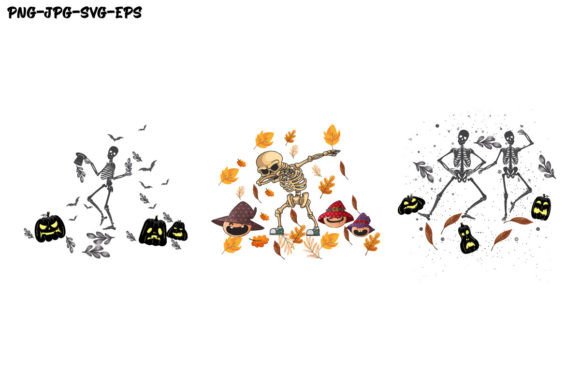
When you first open the file package for this Dancing Skeleton Design- Funny Halloween, the immediate vibe is playful rather than spooky. In the world of holiday decor and seasonal apparel, there is often a fine line between "creepy" and "cute." This design leans heavily into the humorous side of the skeleton trope. The pose suggests movement and joy, which is excellent for creating approachable merchandise. Unlike many static Illustrations found in standard Graphics libraries, this piece feels animated even before a single stitch is placed.
The visual weight of the design is balanced well. For an embroidery project, balance is crucial because uneven density can cause puckering or poor registration. The lines appear clean, suggesting that the negative space within the bones will translate nicely into fill stitches without looking muddy. If you are planning to sell this as a custom apparel item, the personality of the character does the heavy lifting. It invites the customer to smile, which is exactly what you want for a tote bag design or a sweatshirt embroidery meant for a family gathering.
Real-Life Application: From File to Fabric
To truly understand the value of this machine embroidery design, let us imagine a specific scenario. You run a small Etsy shop specializing in personalized gifts. A client orders a set of kitchen towels and a canvas tote bag for a Halloween party they are hosting next month. They want something fun that won't offend their guests. This is where the Dancing Skeleton Design- Funny Halloween shines.
On a cotton kitchen towel, the texture of the fabric usually demands a slightly higher stitch density to ensure the design stands out against the weave. Because this design features distinct shapes, it would work beautifully with a combination of satin stitch for the outlines and fill stitch for the bone details. The result would be a tactile, high-quality embroidered patch look directly stitched onto the towel. Customers often appreciate the durability of embroidery over printed transfers, especially for items like tea towels that get washed frequently.
Now, consider the same design on a dark-colored sweatshirt. Here, the challenge shifts to contrast. The light colors typically used for skeletons (whites, creams, pale blues) pop incredibly well against black or navy fleece. However, you must be mindful of the stabilizer. Sweatshirts have a brushed interior that can pull the needle if not properly supported. Using a cut-away stabilizer here is non-negotiable to maintain the integrity of the Dancing Skeleton Design- Funny Halloween after multiple washes. The end result? A premium-looking piece of custom apparel that feels boutique-made rather than mass-produced.
Navigating Technical Challenges
While the design is versatile, experienced designers know that no graphic is perfect for every situation. There are specific contexts where you need to exercise caution. First, avoid using this design on very thin or highly stretchy fabrics without significant reinforcement. The movement implied by the dancing pose means there are likely curved lines and dynamic angles. On a jersey knit T-shirt, these curves can distort if the hoop size is too large or if the tension is off. Always test the design on scrap fabric first to check how the thread colors interact with the material.
Another area to watch is the level of detail in smaller applications. If you attempt to use this for a baby embroidery project on a tiny onesie or a small cap, the intricate parts of the skeleton might become indistinguishable. Tiny lettering or minute decorative accents often get lost in the stitching process, turning into a blob of thread. For caps, the curved surface can cause registration issues, particularly around the ribcage or limbs where precision is key. In these cases, it might be better to simplify the design or choose a larger hoop size to accommodate the full layout.
Furthermore, consider the density of the stitch areas. If you plan to layer this design over other elements or use it on a thick blanket, ensure the stitch count isn't so high that it makes the fabric stiff. A good rule of thumb is to review the digital preview in black and white mockups to gauge the overall coverage before committing to expensive thread and fabric.
Business Value and Commercial Viability
For the creative entrepreneur or small shop product owner, the true worth of an embroidery file lies in its ability to drive sales and build brand consistency. The Dancing Skeleton Design- Funny Halloween offers a strong commercial embroidery potential because it taps into a universal theme while maintaining a unique aesthetic. When customers browse your online store, they are looking for products that feel special. A well-executed version of this design on a high-quality tote bag or pillow cover signals professionalism and attention to detail.
This design asset can serve as a centerpiece for a holiday collection. By offering it across various mediums—such as aprons, patches, and even printable mockups for social media—you create a cohesive look for your brand. Consistency builds trust. When a buyer sees that your embroidery is crisp, your thread colors are vibrant, and the design fits the product perfectly, they are more likely to return for future purchases.
However, always remember to confirm licensing before selling finished items. Just because the product description mentions SVG, PNG, JPG, and EPS files does not automatically grant unlimited commercial rights. Check the terms carefully to ensure you are compliant when creating digital product previews or selling physical goods. Understanding these boundaries protects your business and ensures long-term success.
Final Thoughts for the Maker
In conclusion, the Dancing Skeleton Design- Funny Halloween is a robust addition to any maker's library, provided it is applied with thoughtful consideration. Its playful nature makes it ideal for holiday gifts, personalized products, and craft fair merchandise. Whether you are creating a one-off personalized gift or scaling up for a boutique branding campaign, this design has the visual appeal to engage buyers.
My advice is to take your time. Test the hoop size, select the right stabilizer, and verify the thread colors against your fabric choices. Do not rush the process. When executed correctly, this design transforms from a simple digital file into a cherished handmade product that brings a little bit of festive cheer to your customers' lives. As we move deeper into the crafting season, having reliable, high-quality design assets like this one is essential for standing out in a crowded market.